Blog

  • Indonesia Is Not Okay Right Now

    Indonesia Is Not Okay Right Now

    The rupiah’s weakness is more than a currency chart. At around Rp17,859 per US dollar today, it reflects a deeper anxiety: markets are questioning our fiscal discipline, legal certainty, and quality of governance.

    At the same time, public money is being pushed into massive programs whose execution raises serious concerns. MBG (Makanan Bergizi Gratis) should help children, not become a rushed, oversized bureaucracy with safety, targeting, and oversight problems. Koperasi Merah Putih also risks becoming another expensive state-driven project if physical outlets, warehouses, and equipment are built faster than accountability, competence, and real cooperative capacity.

    Pressure is already growing as fuel prices and PLN electricity tariffs have risen. Higher transport and energy costs rarely stay isolated; they ripple into food, logistics, rent, small business costs, and daily necessities.

    Then there is legal uncertainty. Cases like the Ibam / Chromebook procurement matter not only because of the individuals involved, but because they shape how professionals, innovators, and investors read Indonesia.

    May we pray that today’s leaders are given guidance and the government is filled with people who are honest, competent, and trustworthy.

  • Jalan Pagi — PML

    Jalan Pagi — PML

    Ada celotehan hati yang selalu mengusik saya. “Hey, sudah puluhan tahun tinggal di Bekasi belum pernah telusur daerah ini”. Ya sudahlah, saya iya-kan celotehan itu. Daerah itu adalah PML (Pondok Mitra Lestari). Ok, jalan pagi sekalian kena sinar matahari.

    Hati Saya: “Sampai ujung dong jalannya”

    Saya pun berjalan sampai ujung. Bertemu tembok pembatas kali Bekasi. Masuk ke gang lainnya dan melihat lapangan tenis.

    Hati Saya: “Telpon istri lah”

    Saya pun telpon istri hanya untuk bilang ada lapangan tenis. Lalu berbincang dengan penjaga — asumsi saya — lapangan itu.

    Hati Saya: “Cari Indomart. Minum. Habis itu SSB (Soto Segar Boyolali). Minta jemput istri”.

    Saya pun melakukannya. Tapi tidak mampir ke SSB. Jam mengindikasikan sudah ~4 km Saya berjalan. Ha, ternyata tidak terasa encok pinggang saya.

  • Museum Nasional Indonesia

    Museum Nasional Indonesia

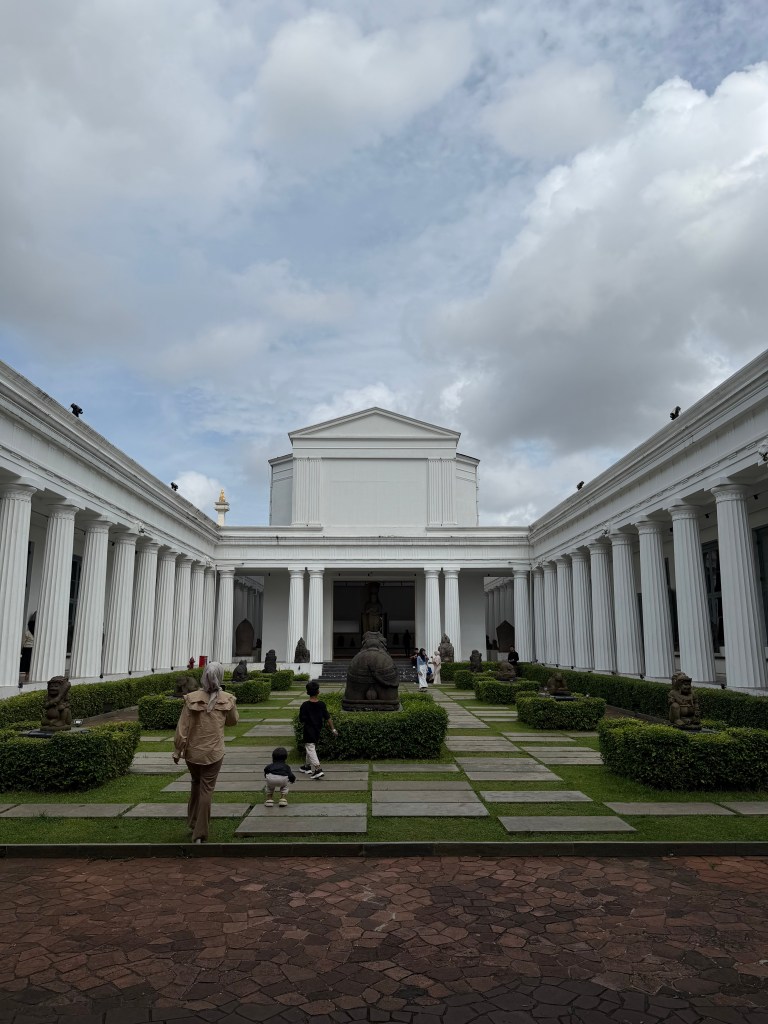
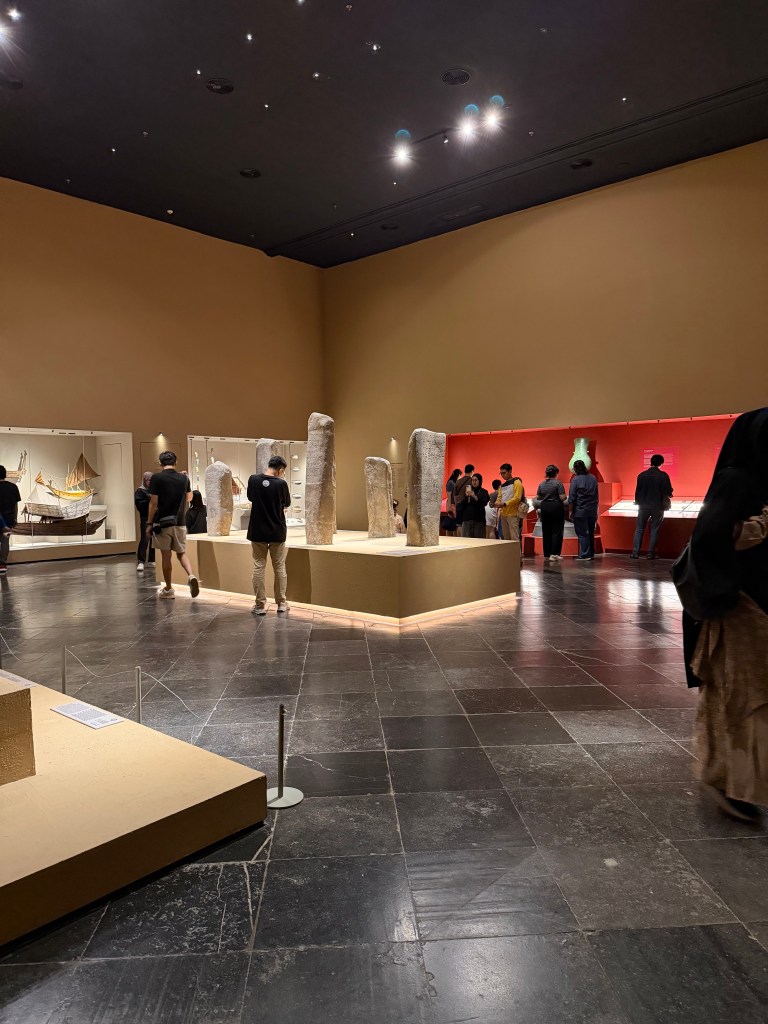
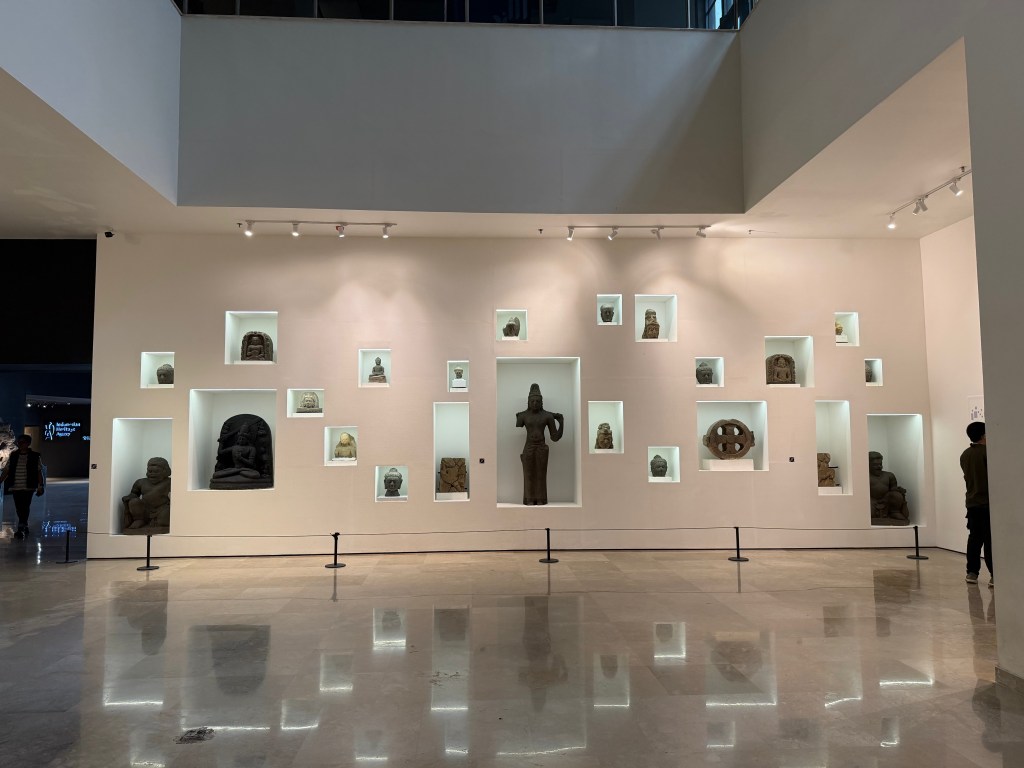
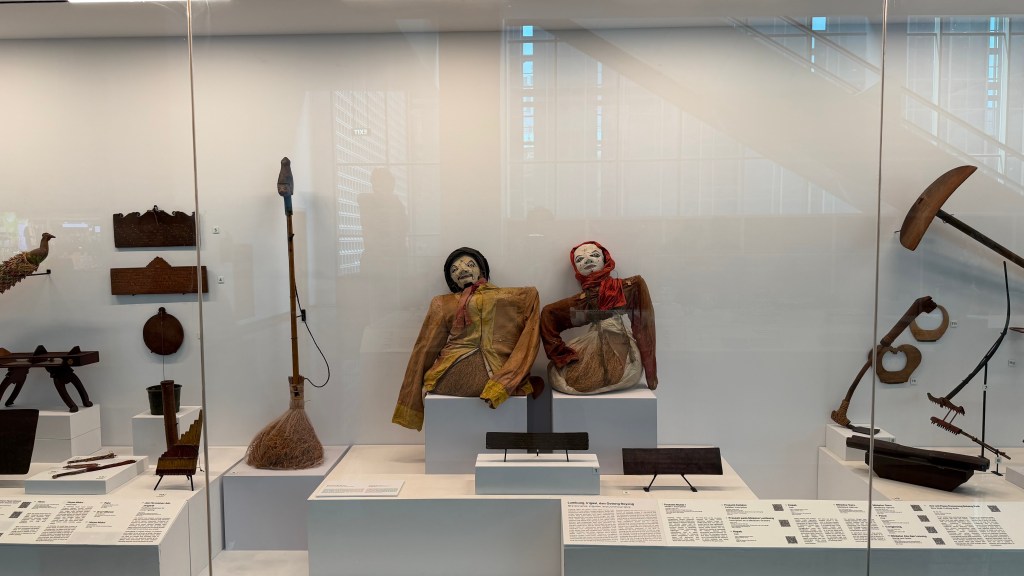
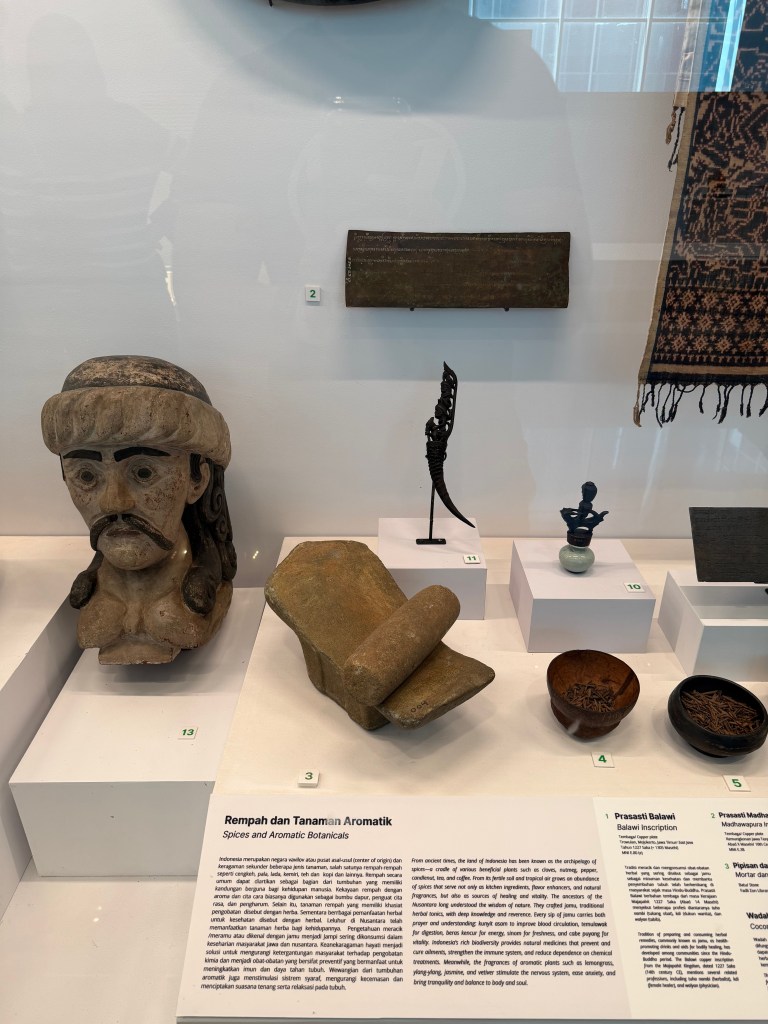
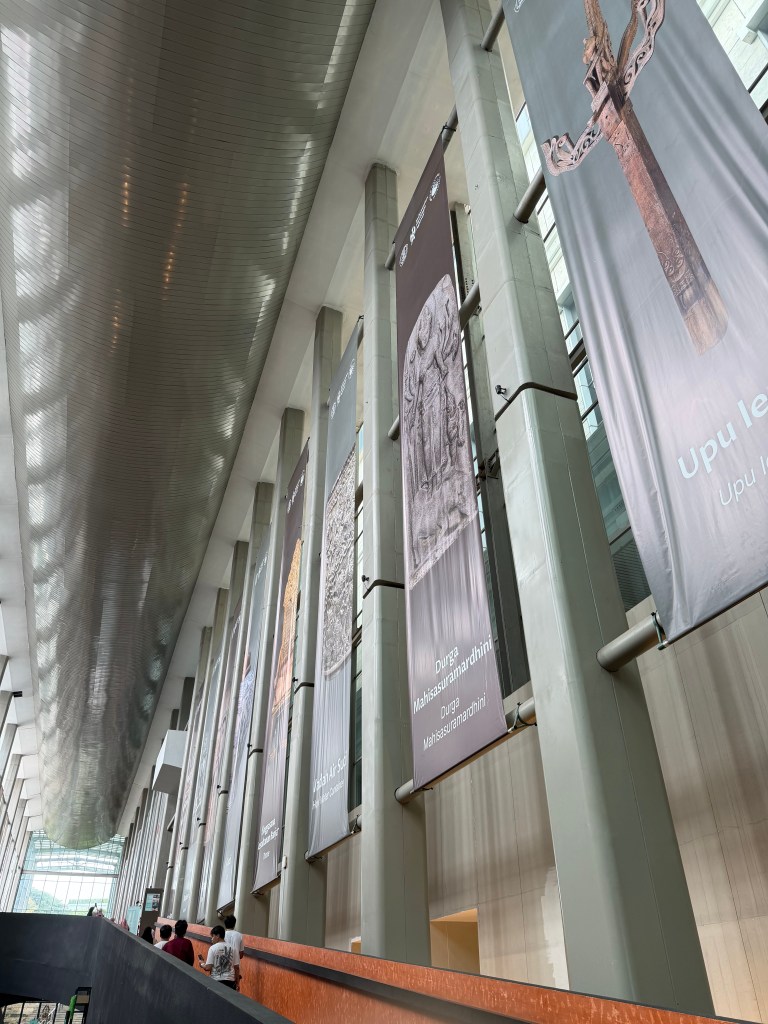
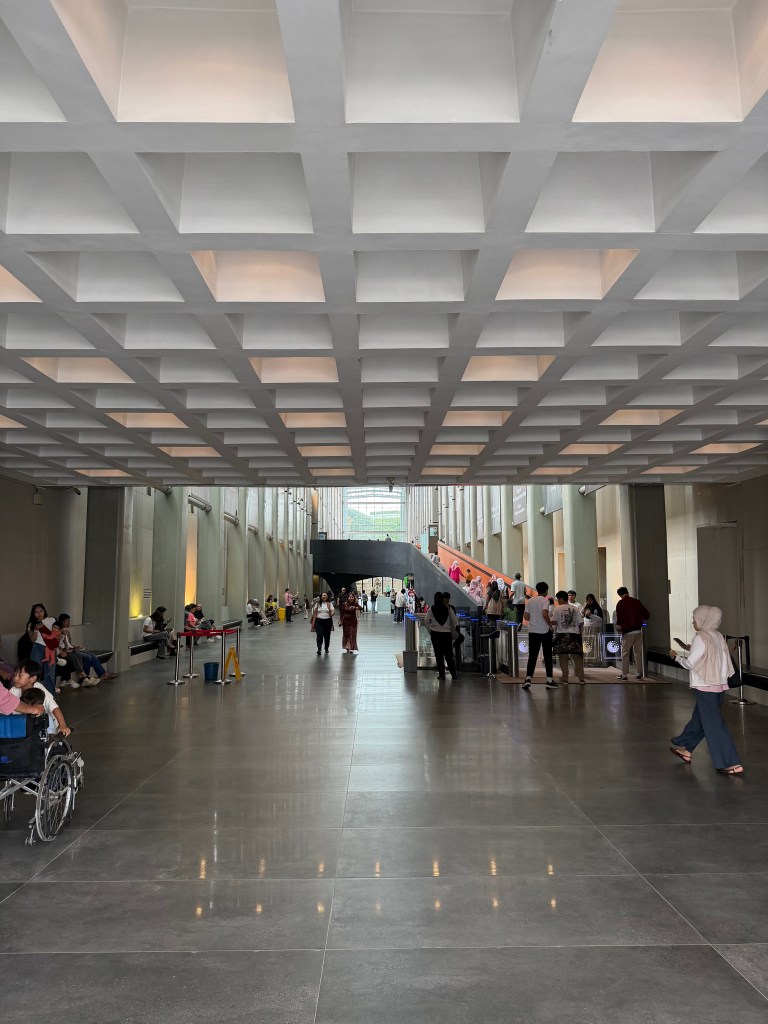
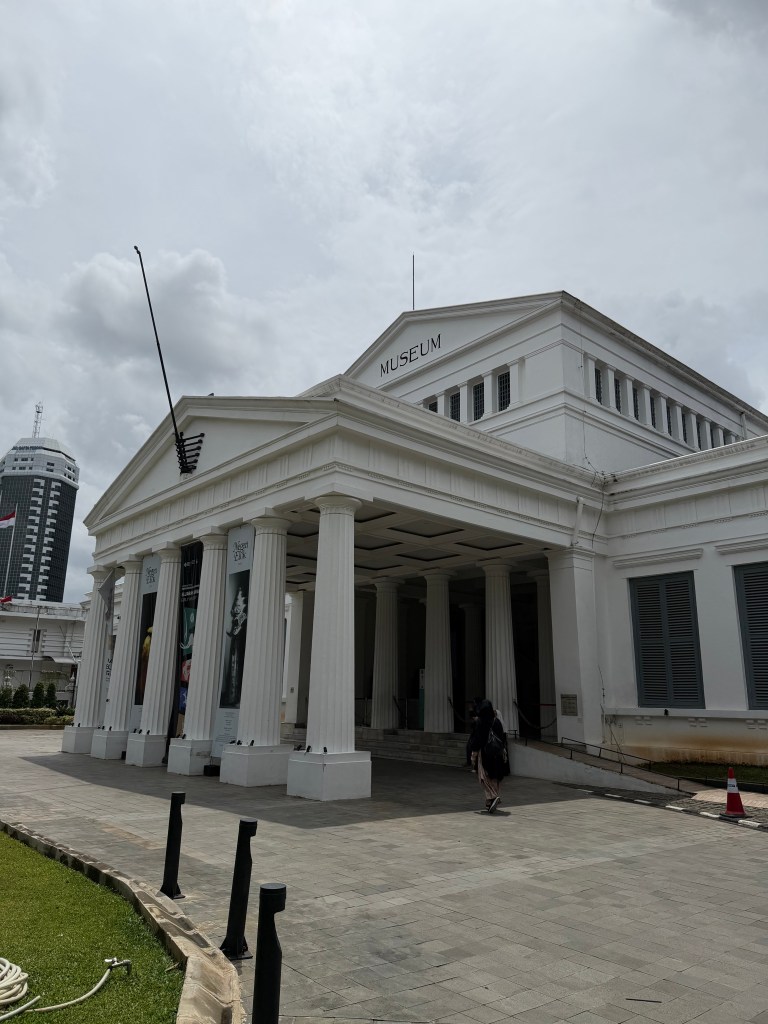
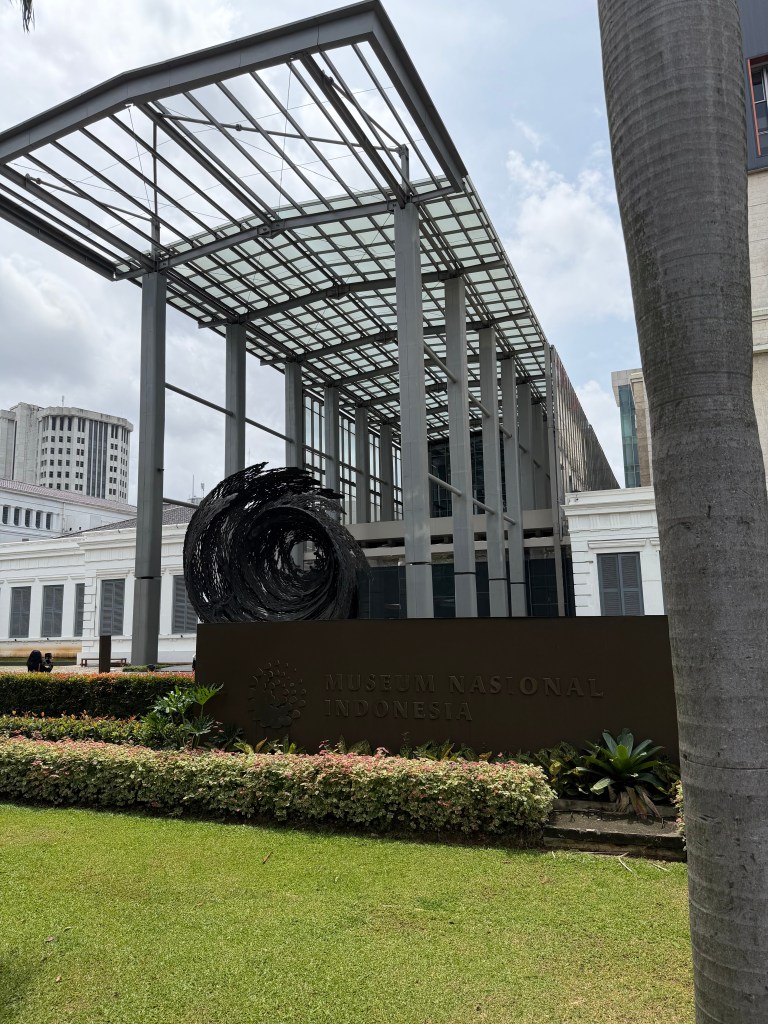
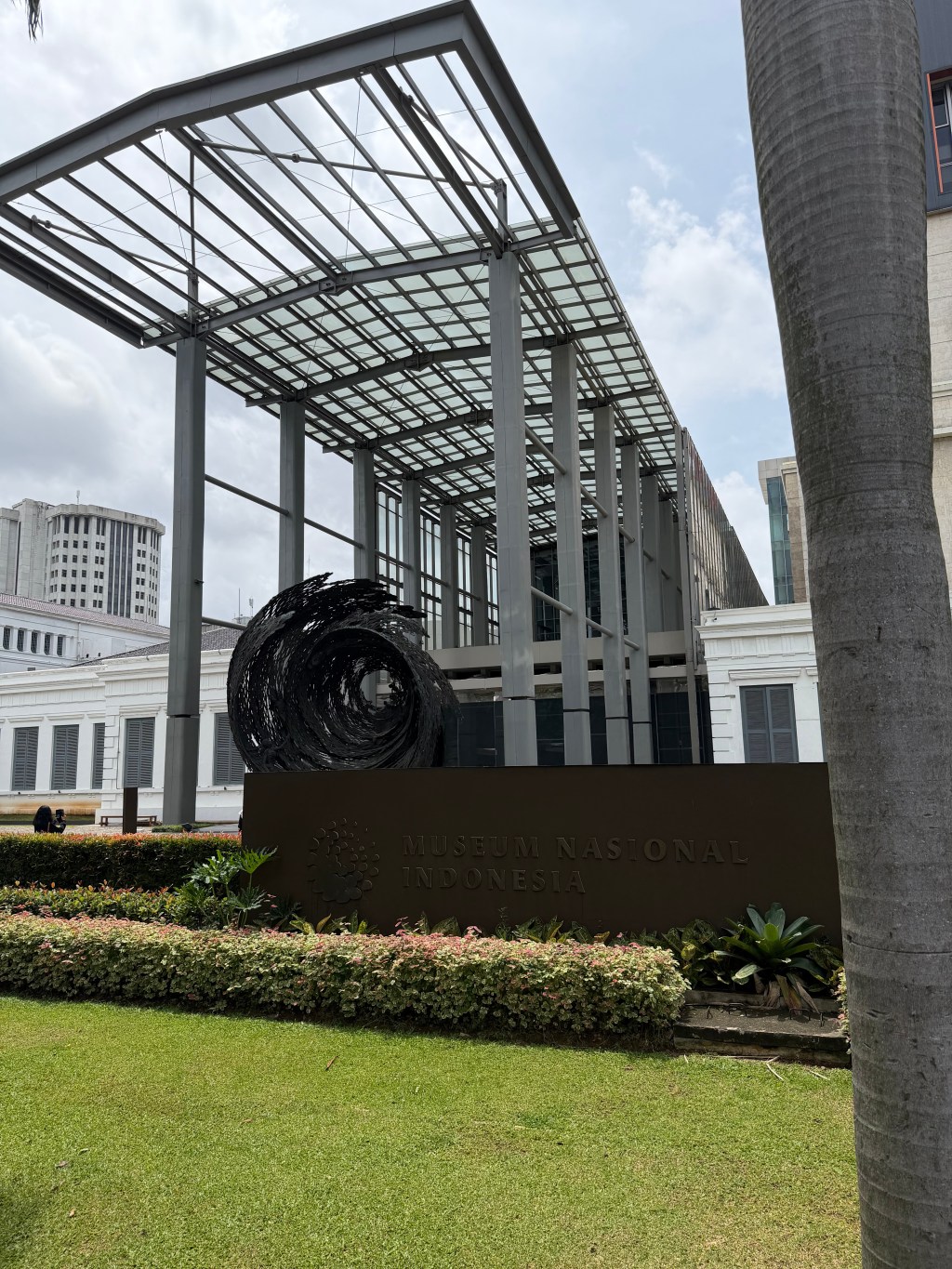
    My wife and I spent the Saturday afternoon at Museum Nasional Indonesia in Jakarta. The museum reopened in 2024 after extensive renovations, and the new building is stunning—modern glass-and-steel architecture paired with the preserved colonial-era facade.

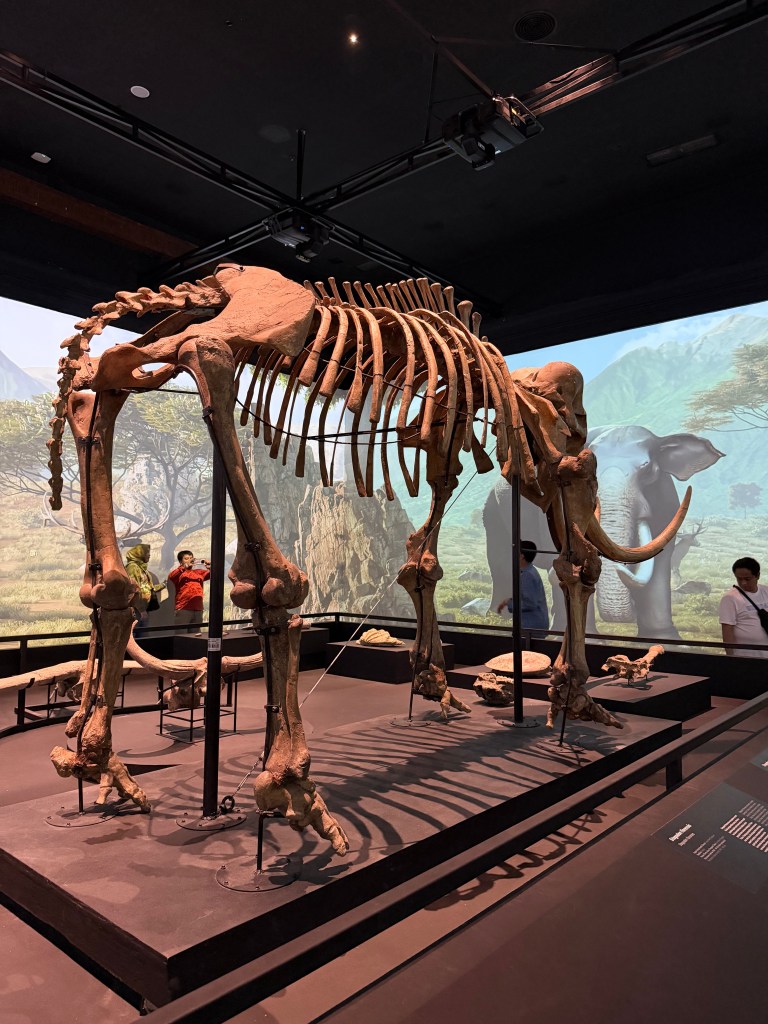
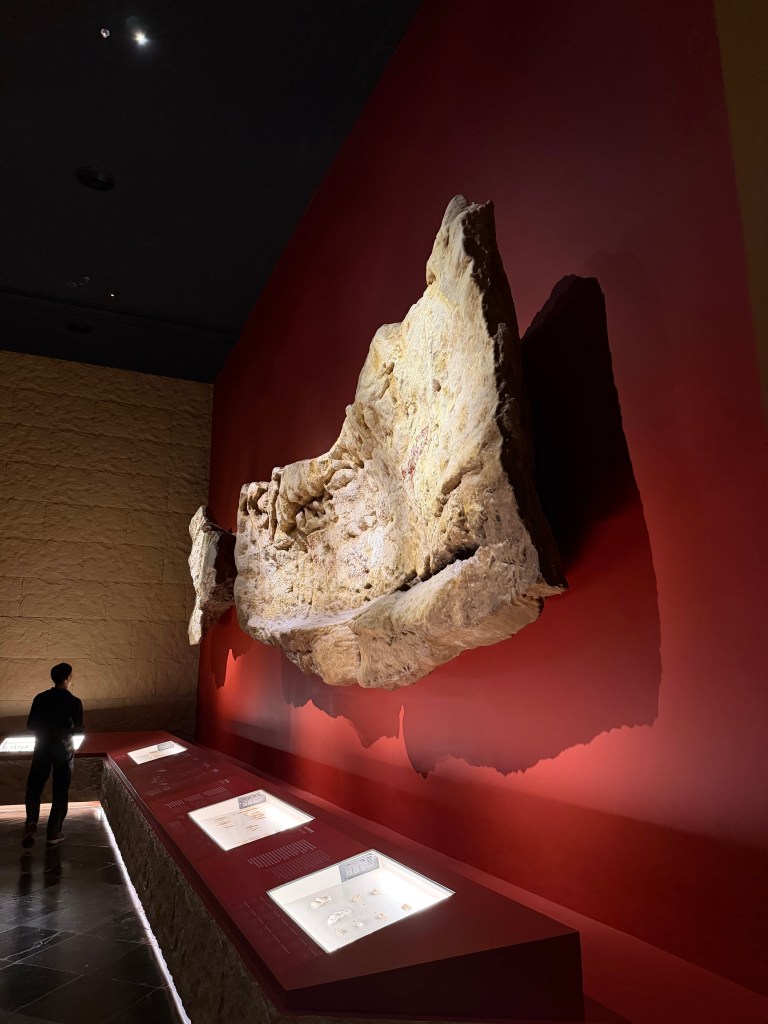
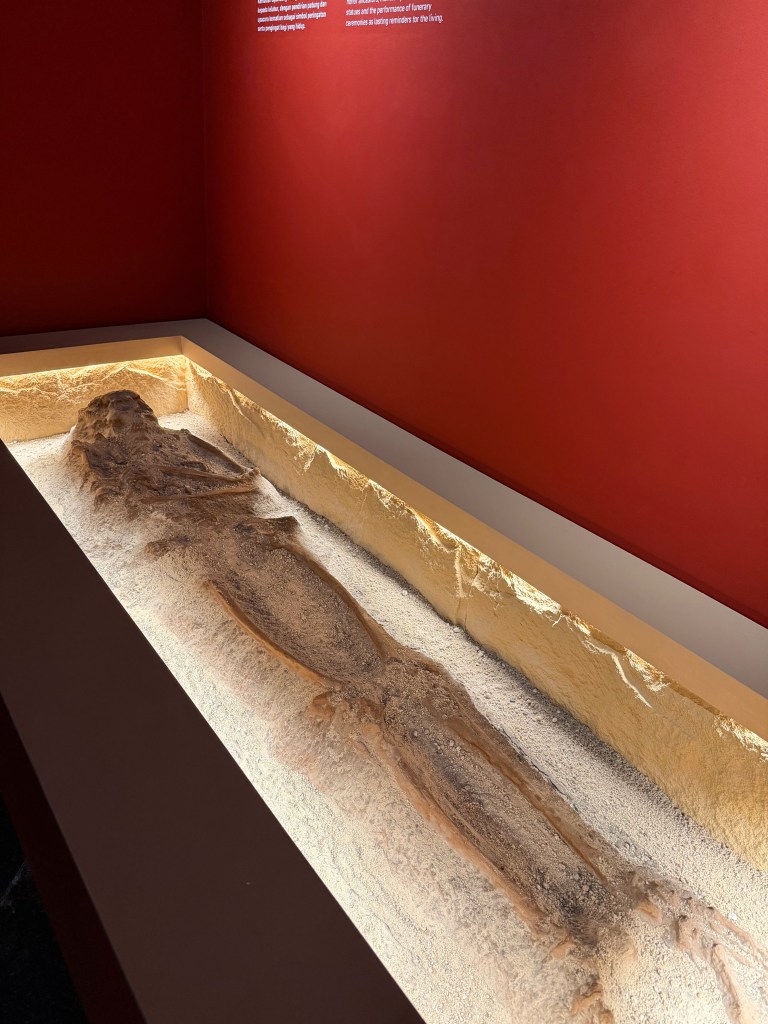
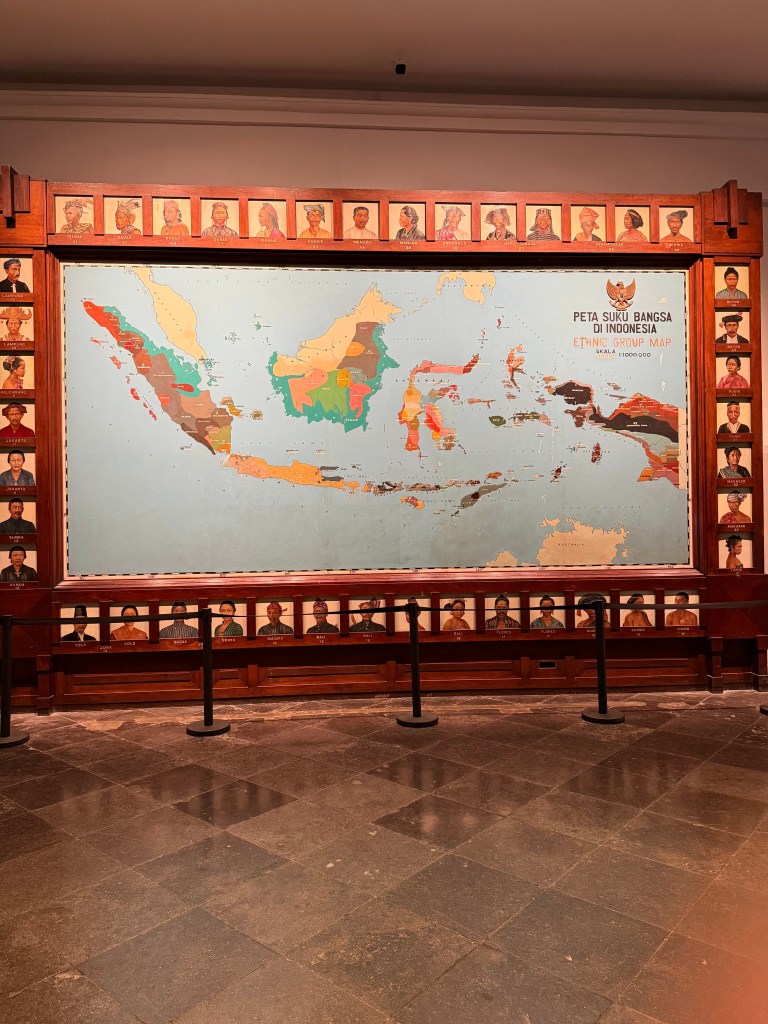
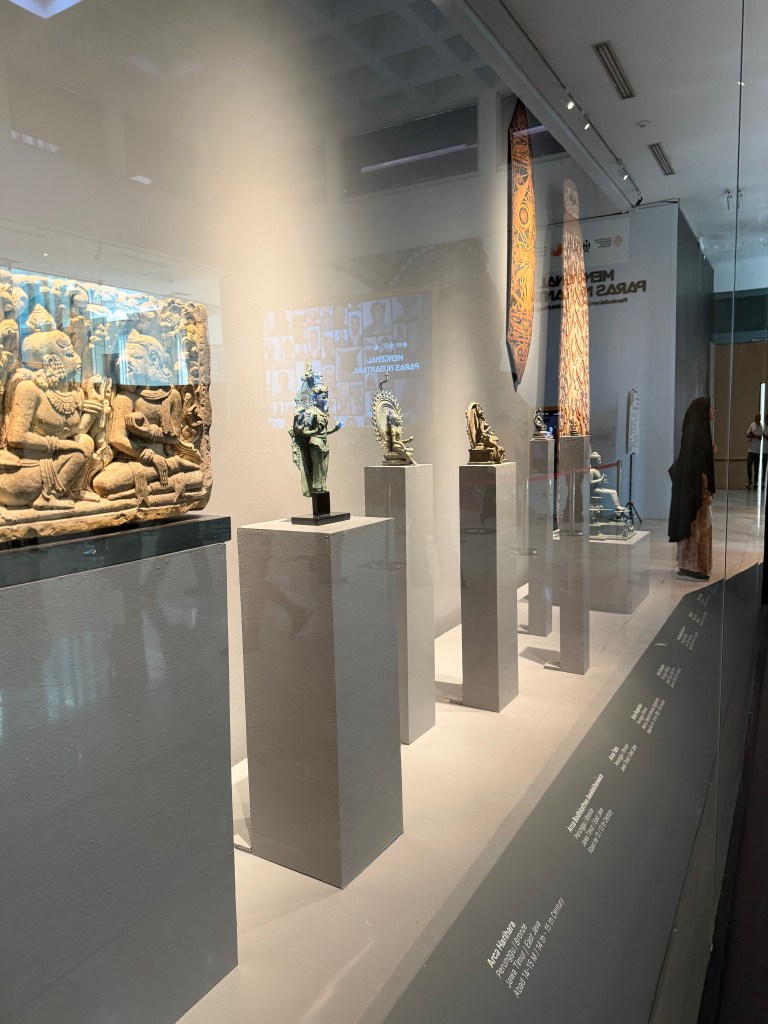
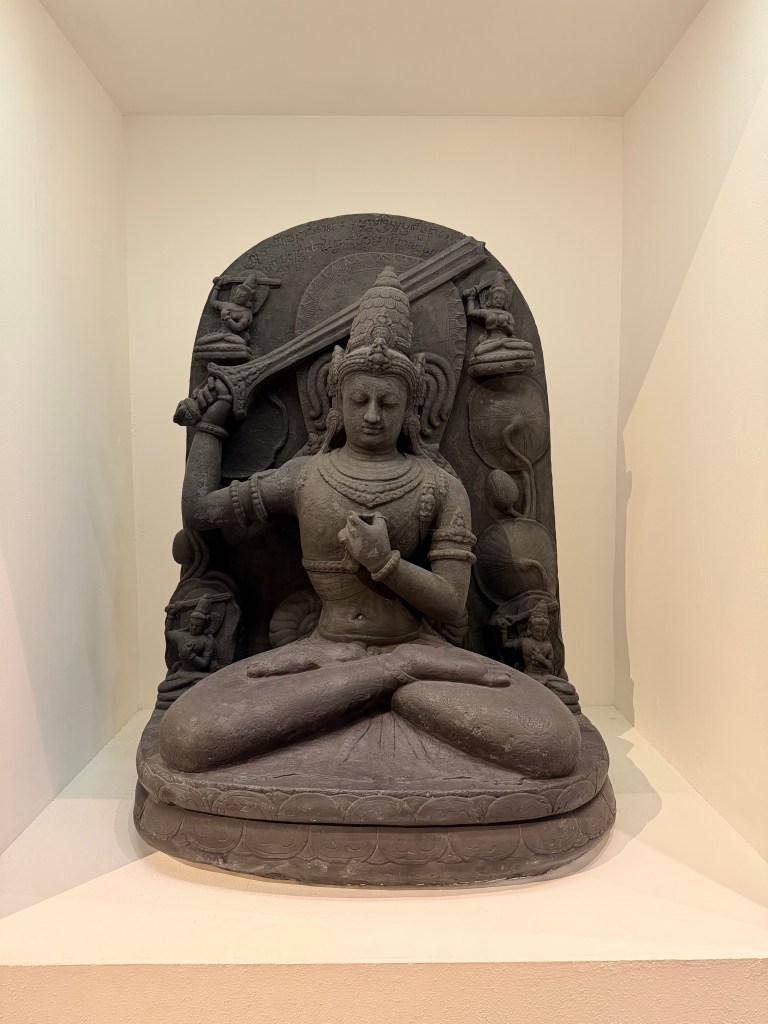
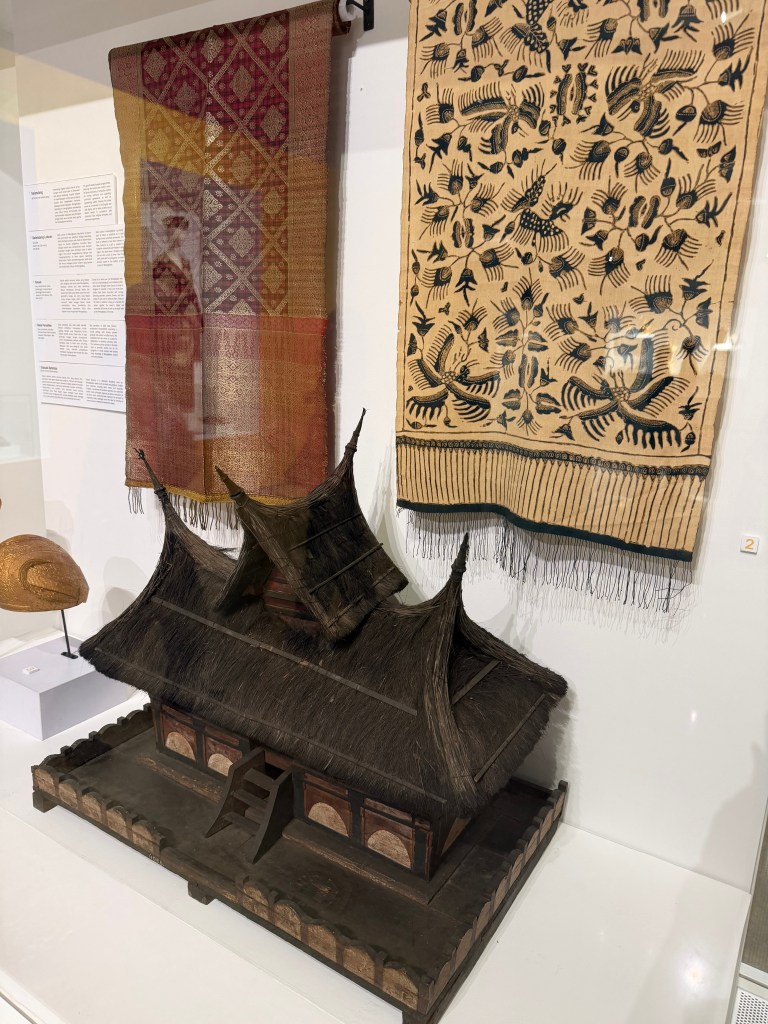
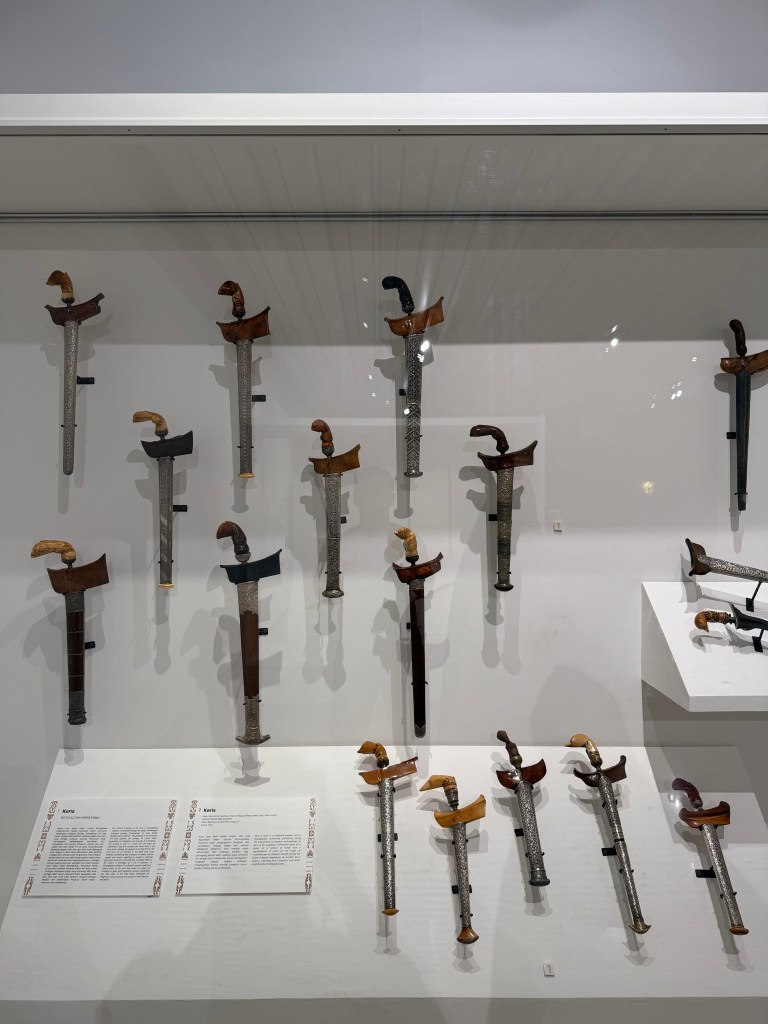
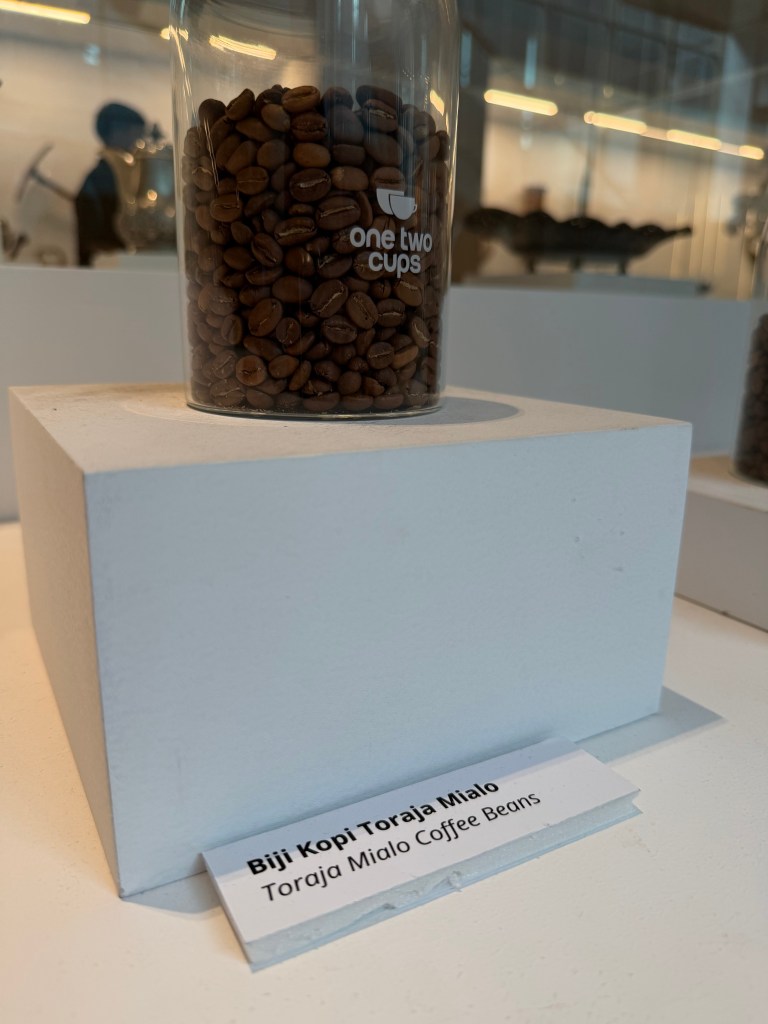
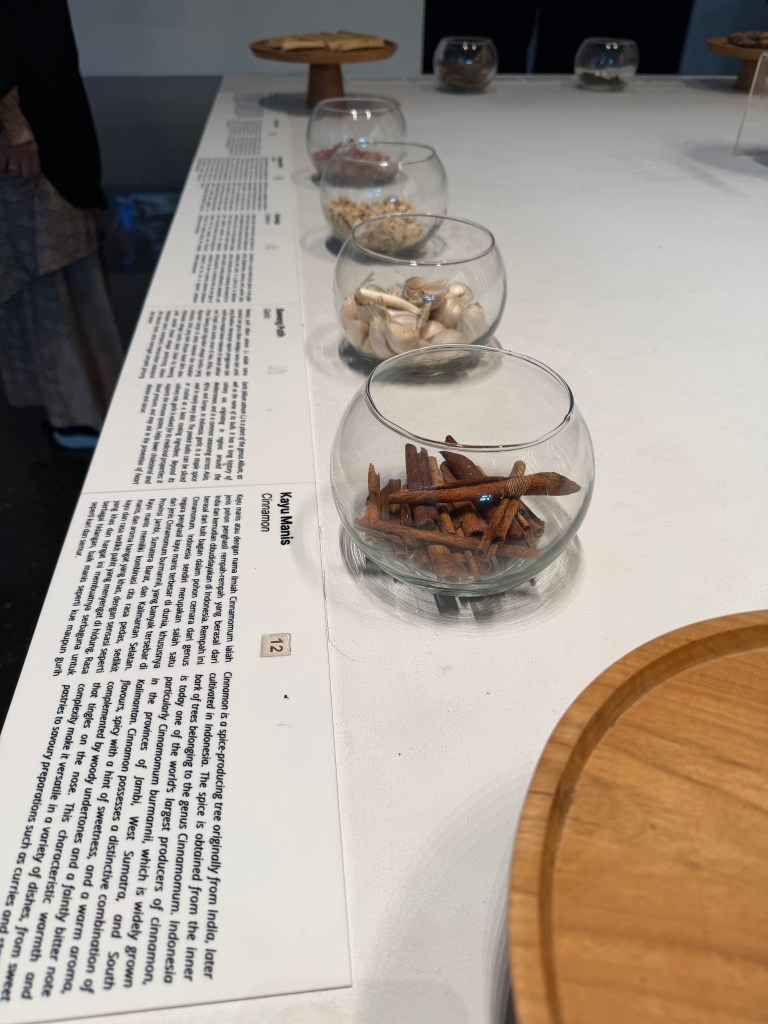
    The collection spans Indonesia’s archipelagic heritage: Hindu-Buddhist statuary from Java, ornate keris daggers with bird-headed handles, Toraja Midlo coffee beans, bronze vessels, and a massive ethnic map showing the diversity across the islands.

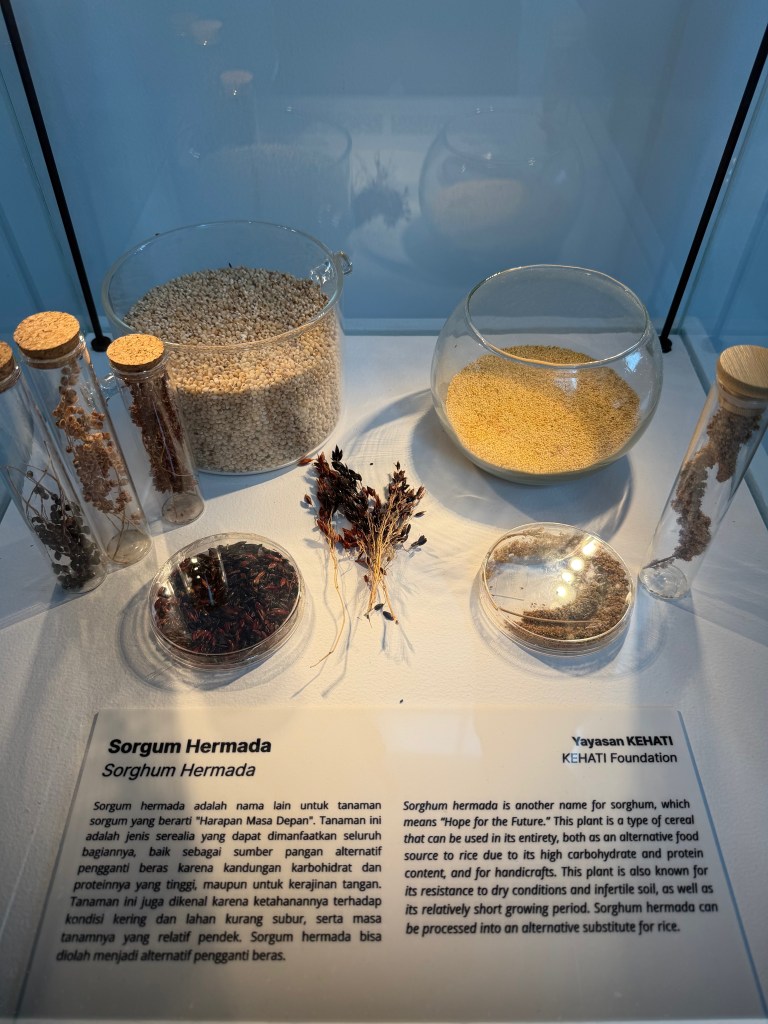
    We took some time at the agricultural exhibit—seeing sorghum hermada seeds displayed alongside traditional grains, positioned as “hope for the future” in a country grappling with food security. Museums at their best when they connect past and present like that.

    Worth the visit if you’re in Jakarta.

  • Trying a New Periodization Program

    For most of the time, I’ve been training based on what I did last week and how I felt today. For some period of time, I could see a progress in key exercises (likely one or two of compound movements), hit a plateau, and did a deload based on how my joints felt. Such approach is not sustainable anymore. I need to apply periodization for my training.

    Last week, I decided to write my own program, based on past experiences, to be used for two cycles. A cycle consists of 3 phases: high volume (4 weeks), strength (2 weeks), and peaking (2 weeks). Each week has 4 sessions (D1 to D4). There are two deload weeks in a cycle. The cycle starts with a lower intensity, 65% – 70% of my 1RM (depending on the exercise), and gradually increased over the week. For example, on an upper body exercise like OHP, I’d choose 70% as a starting point while using 65% for more taxing exercise like back squat. To give a better understanding, here’s my programmed cycle (excluding accessory exercises) looks like:

    WeekD1D1D2D2D3D3D4D4
    OHPBench pressSquatPull upBench pressOHPFront squatPull up
    1 (high volume phase)3×8 of 70%3×8 of 70%65%50%-75%4×7 of 372.5%4×7 of 72.5%65%50-75%
    24×6 of 75%4×6 of 75%5×5 of 77.5%5×5 of 77.5%
    33×8 of 72.5%3×8 of 72.5%90%90%4×7 of 75%4×7 of 75%90%90%
    44×6 of 80%4×6 of 80%5×5 of 85%5×5 of 85%
    5 (deload)8×3 of 72.5%8×3 of 72.5%OFFOFF
    6 (strength phase)8×3 of 87.5%8×3 of 87.5%80%80%10×1 of 92.5%10×1 of 92.5%
    78×3 of 90%8×3 of 90%85%85%10×1 of 95%10×1 of 95%
    8 (peaking)8×2 of [previous week + 2.5%*previous week]8×2 of [previous week + 2.5%*previous week]90%90%10×1 of [previous week + 2.5%*previous week]10×1 of [previous week + 2.5%*previous week]
    98×1 of 75% of previous week8×1 of 75% of previous week95%95%Max outMax out
    10 (deload)3×8 of 72.5%3×8 of 72.5%OFFOFF
    Periodization training for a week

    There’s a repeated set x reps scheme pattern on each phase — for example, 3×8, 4×7, 4×6, and 5×5 during high volume. There’s no mathematical formula behind this and purely comes from my own experience that works best for me. When cycle 2 starts, I can start with the intensity a bit higher than the first cycle, repeating the same phase, and hopefully ended up with a new 1 RM. I left squat and pull up as blank because I put those exercises in the maintenance mode — just to make sure the strength is maintained. My expectation is to be able to repeat the cycle at most 3 times and switch the prioritization (for example moving up pull up and squat; put OHP and bench press into maintenance mode).

  • health-calculator package

    I just published health-calculator to NPM. It’s a simple library to help calculate well known health-related metrics—TDEE, LBM, 1RM, etc.

  • Menunggu Pasien di Ruang ICU

    Saya akan berbagi sedikit pengalaman menunggu pasien yang dirawat di ruang ICU (Intensive Care Unit). Pasien di ICU umumnya dalam kondisi kritis dan keluarga dekat / wali perlu menunggu 24 jam. Almarhum ayah saya pernah dirawat di ICU selama 7 malam. Saya, istri, dan sepupu ipar berjaga dari malam sampai pagi. Kakak dan ibu saya berjaga dari pagi sampai malam. Ruang tunggu untuk keluarga pasien yang dirawat di ICU umumnya serupa. Anda akan menjumpai keluarga dari pasien lain yang menjaga selama 24 jam juga. Akan ada pengeras suara atau perawat yang rutin memanggil perwakilan pasien. Tergantung kondisi pasien, pemanggilan berulang kali dalam sehari sangat mungkin.

    Pemanggilan umumnya dilakukan untuk:

    • Pengurusan administrasi, mengambil obat, atau pembelanjaan keperluan harian pasien (wash lap, popok, dan lainnya).
    • Mengabarkan kondisi pasien.
    • Persetujuan pengambilan tindakan medis. Anda akan disodorkan lembar persentujuan untuk ditandatangani (baik untuk setuju ataupun tidak).

    Untuk masuk ke ICU cukup ketat. Ada jadwal kunjung yang perlu diikuti dan hanya 1-2 orang (keluarga dekat / wali) yang boleh masuk. Selain itu hanya boleh masuk kalau dipanggil. Kabarkan kerabat lainnya bahwa pasien belum dapat dikunjungi.

    Bagi para penunggu pasien, perlu diperhatikan kesehatannya melalui asupan nutrisi yang baik, bergerak, dan istirahat yang cukup. Untuk tidur, umumnya para penunggu tidur di kursi dan lantai. Saya membeli sleeping bag untuk jaga-jaga kalau harus tidur di lantai. Karena saya dan sepupu ipar biasa bergantian, saya lebih memilih tidur di mobil. Oleh karena itu sangat membantu jika memiliki rekan jaga. Mereka dapat mengabarkan panggilan darurat jika Anda keluar ruang tunggu. Jika tidak ada rekan, dapat bersosialisasi dengan penunggu lain dan minta tolong dikabarkan. Saya mengenal para penunggu yang sudah menginap lebih dari dua malam. Kami berbagi cerita, makanan, dan menghibur satu sama lain.

    Jika kondisi pasien sangat kritis dan terus menurun, hindari larut dalam kesedihan. Pikirkan segala kemungkinan dan langkah yang perlu diambil kedepannya. Kalau tidak mengerti medis, hubungi teman atau saudara yang mengerti atau punya pengalaman serupa. Simak baik-baik setiap pernyataan dokter. Sisanya berdoa untuk yang terbaik.

  • How Funk Music Influences My Workout

    I’ve been listening to Scary Pockets while working out and somehow it helps me to stay moving for hours. There’s a journal covered this topic:

    Rhythmic drum patterns with a balance of rhythmic predictability and complexity may influence our desire to dance and enjoy the music. Many people find themselves unable to resist moving their bodies to the thumping beat of hip-hop, electronic, or funk music, but may feel less desire to dance when listening to a highly syncopated type of music, like free jazz.

    I used to listen to fast heavy metal songs, but, for me, funk gives a different pleasure while working out.

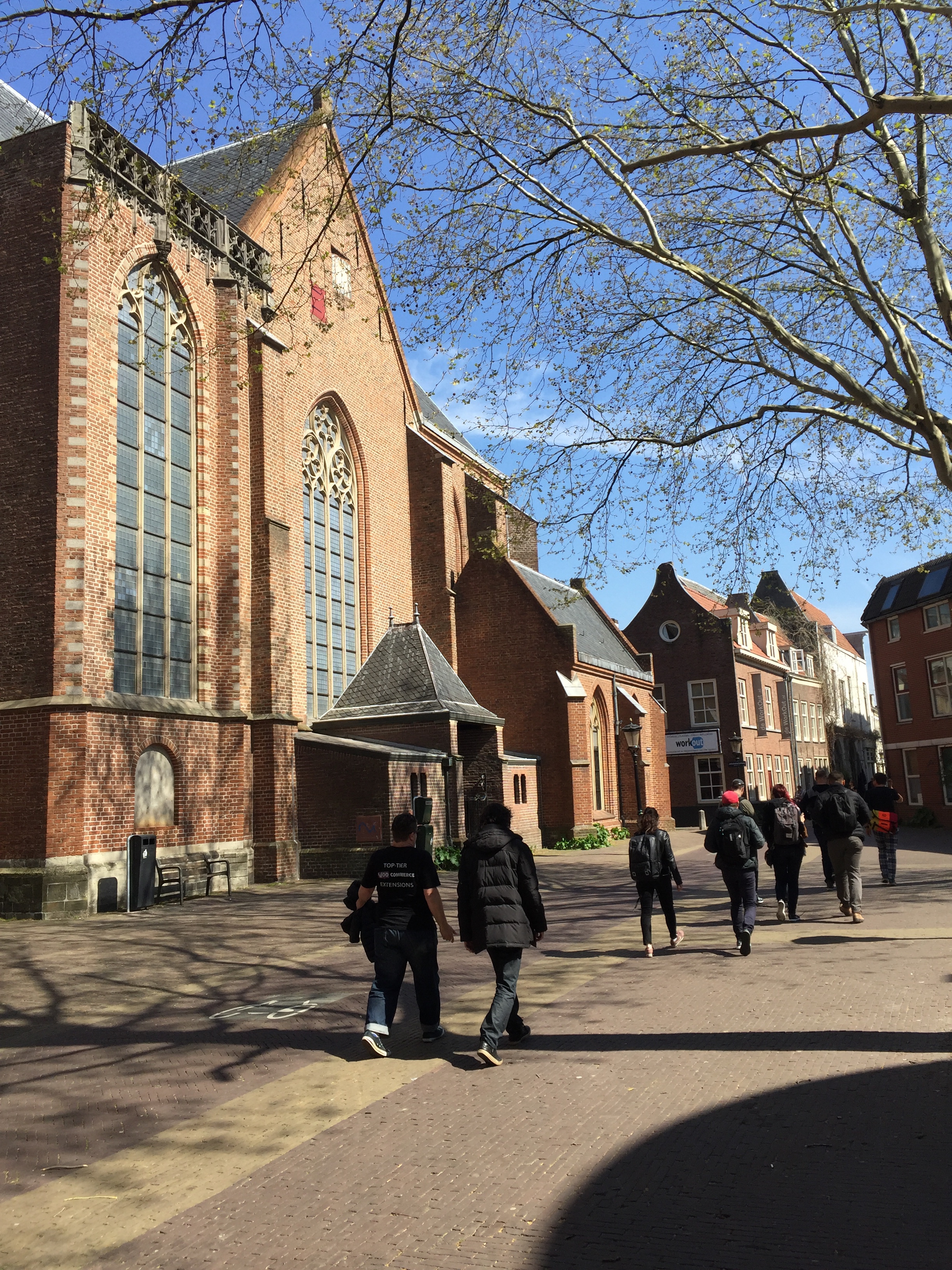
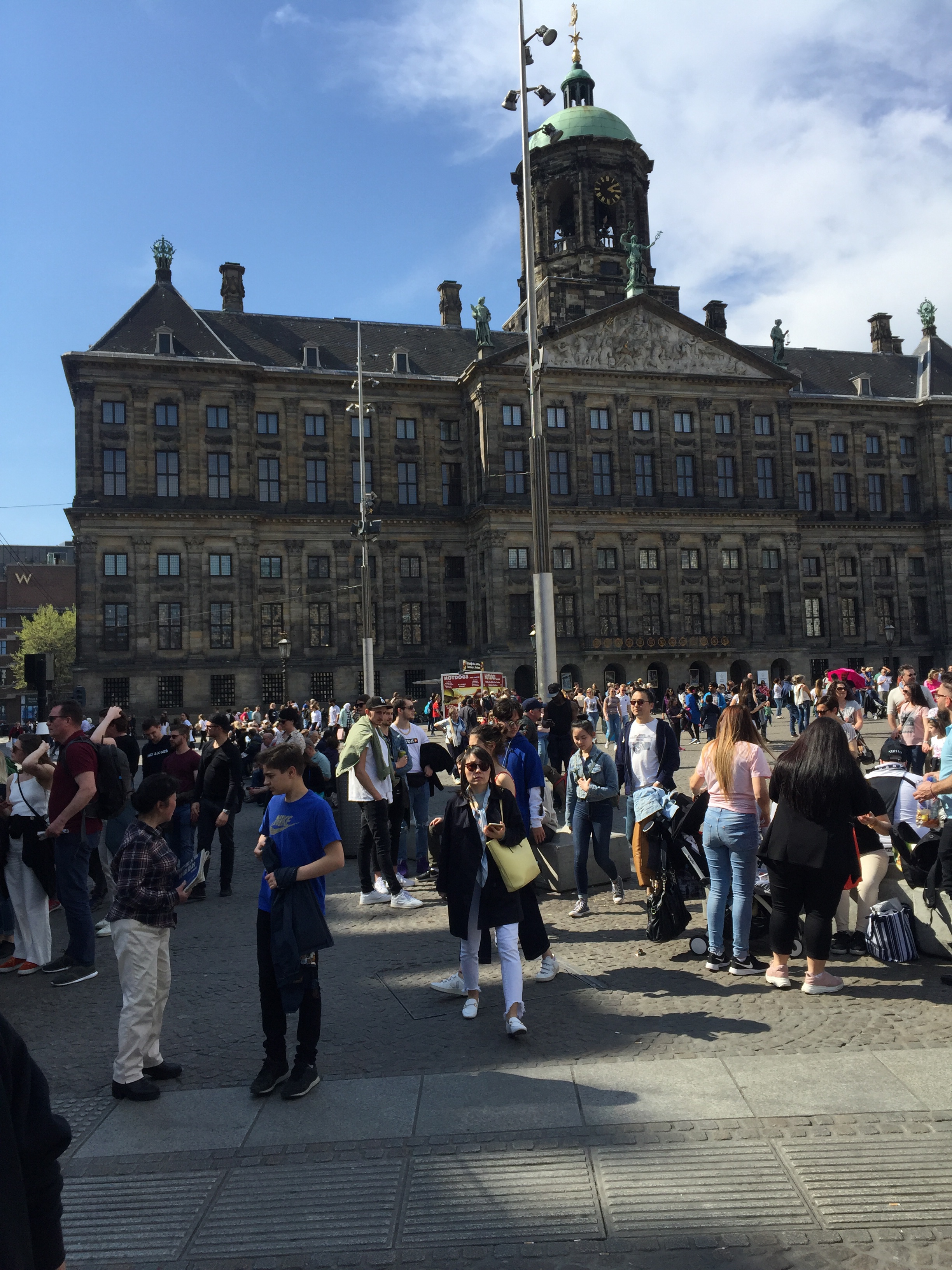
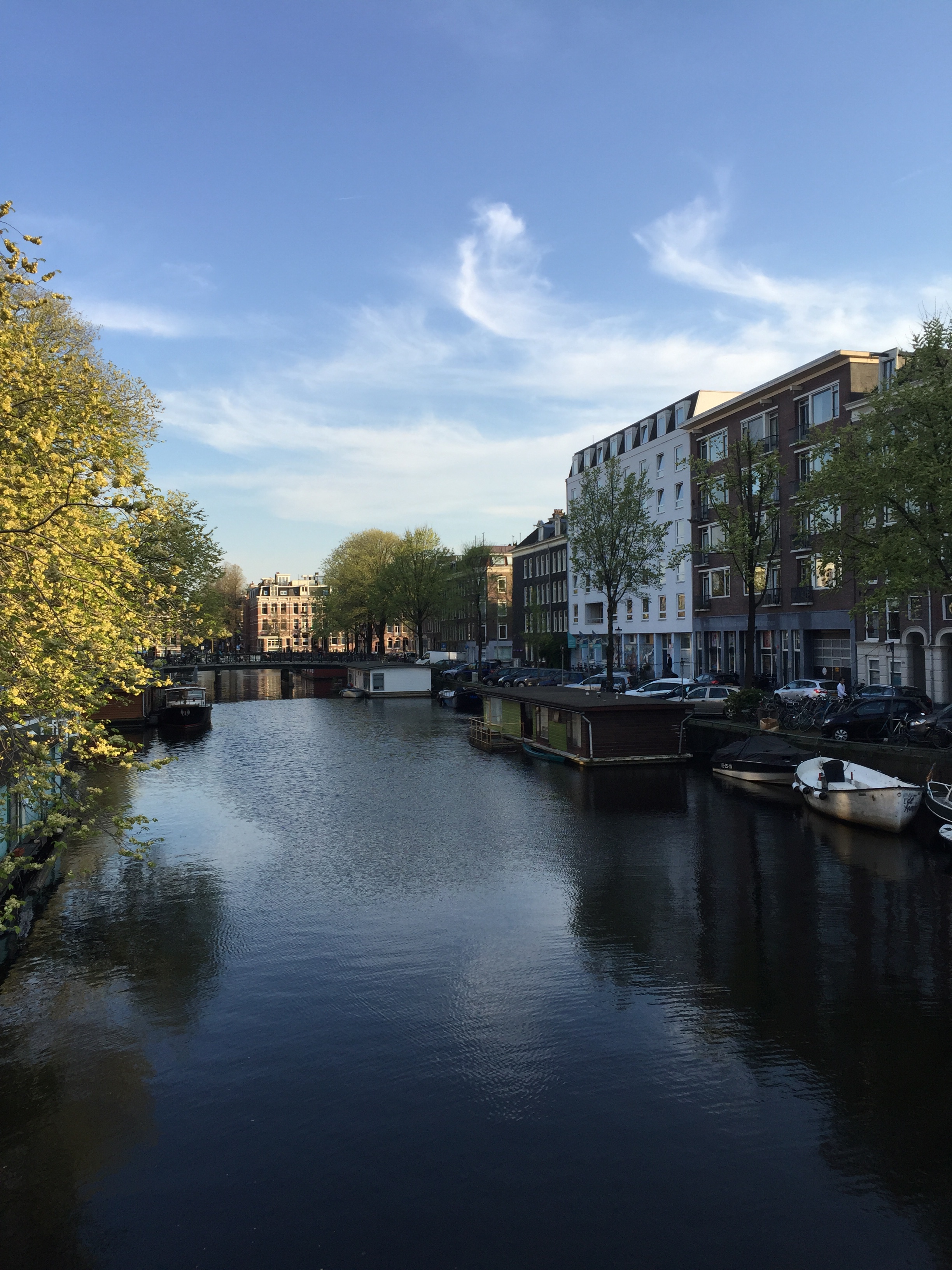
  • Utrecht, April 2019

  • badbeef

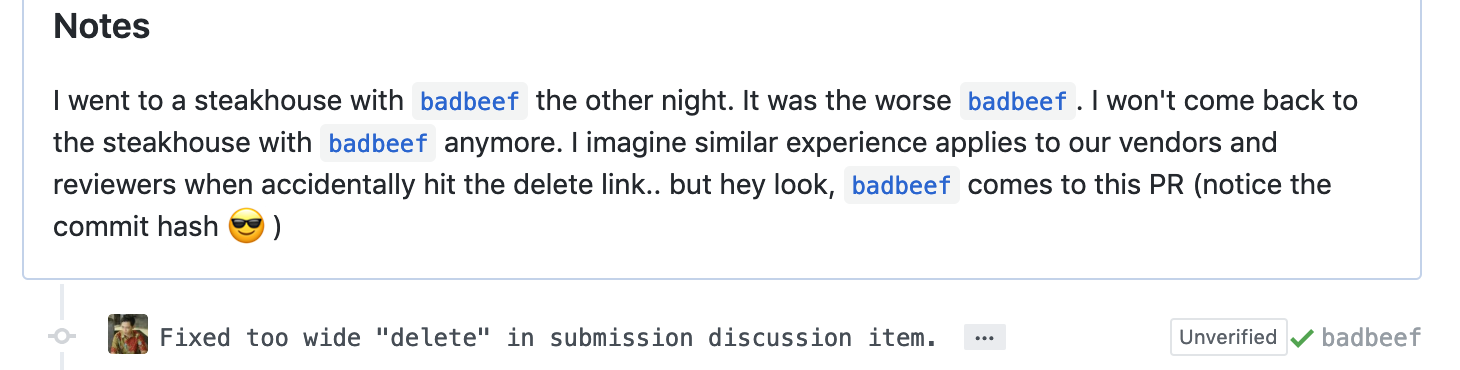
    When you’re in a Janitorial role, you gotta make the commit hash meaningful.

    Screen Shot 2019-02-26 at 13.37.55

    P. S. I used a fork of bradfitz/gitbrute: https://github.com/kevinwallace/gitbrute

  • Command as a Service (cas)

    I just published cas to GitHub. It allows you to execute commands in your server via HTTP.  Commands to execute are defined in YAML config file. The README on GitHub should give you an idea how to use it. Why cas? Well, why not. I need a way for my shell scripts HTTP-exposed so my other projects could utilize them. Most of the time, I started PoC for scraping and parsing with shell scripts.